



insurance
Insurance Claims Investigation: Dedicated On-Site Inspections
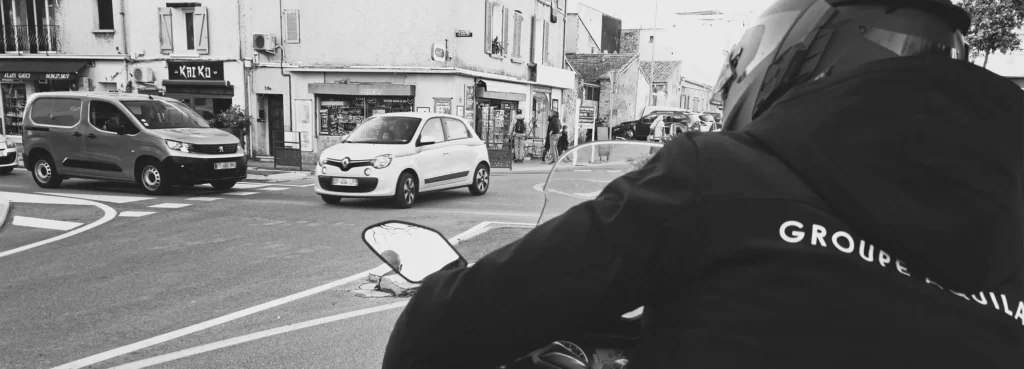
When a physical case requires an on-site verification
Physical investigations involve long-term financial stakes and a need for rigorous objectivity. When a manager identifies factors that warrant an on-site audit—inconsistent statements, internal reports, or network alerts—they need a partner capable of producing a solid factual report in strict compliance with the legal framework.
Our work focuses exclusively on the factual aspects: observation, verification of operational consistency, and cross-checking of reported data. It does not replace any other expert assessments conducted by the company and does not address any aspects falling within the scope of other professional fields.
Reports prepared on physical injury cases are frequently submitted as evidence in litigation. That is why our firm applies the strictest procedural standards to this type of work: every element of the report must be able to withstand discovery in court and challenge by the insured’s counsel.
Warning Signs in a Personal Injury Case
- Discrepancy between the situation described by the insured and the known facts regarding his or her work environment.
- Informal reports of regular activity that is inconsistent with the submitted statements.
- Social media posts depicting activities that contradict the claimed situation.
- The insured’s history of similar claims reported to multiple insurance companies.
- Recent contractual changes shortly before the filing (increase in coverage, new contract).
- Suspected but undeclared secondary employment.
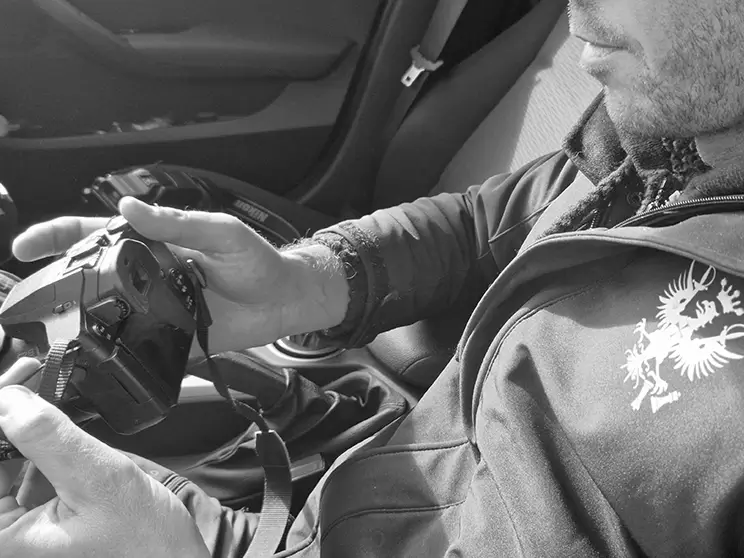
What the survey covers
: In-person fieldwork
Our scope is limited exclusively to factual verifications, conducted by personnel trained in the procedural rigor required for this type of case. We apply the principle of proportionality: investigative techniques are deployed gradually, from the least intrusive to the most intrusive. Scheduled surveillance and video recording are only initiated after less intrusive measures have been exhausted.
Level 1 — OSINT: Monitoring publicly available information shared by the insured, in compliance with the GDPR.
Level 2 — Documentary Checks: Cross-checking against the insured person’s previous claims and history.
Level 3 — Government Agencies: Contact the relevant government agencies if the case warrants it.
Level 4 — Gathering Testimonies: Interviews with professional or personal associates when warranted by the case.
Level 5 — Verification of the existence of an undeclared secondary job.
Level 6 — Scheduled Observations: documented and time-stamped observations of daily activities and movements strictly within public spaces, accompanied by photographic and video reports, used as a last resort.
Confirmation that the situation reported to the company is consistent with the facts observed on site.
All investigative procedures comply with the principles of fair evidence and the scope established by the Internal Security Code. There is no intrusion into privacy, no unfair recording, and no use of methods that contravene the legal framework.
ANONYMIZED CASE STUDY
Activity inconsistent with
the statements
An insured person claims to have been completely unable to engage in any sustained physical activity for the past fourteen months. The case manager receives a report suggesting that the individual is engaging in regular physical activity. Our two-week surveillance documented his daily trips to a logistics warehouse in the suburbs, his active participation in unloading goods from pallets, and his handling of obviously heavy loads. A 47-minute video report documents six distinct sequences over four different days. Cross-referencing with the registration information of the company operating the warehouse reveals undeclared employment. The report strictly documents the observable facts, without drawing any conclusions regarding the situation reported by the insured.
Procedure for a Field Investigation of a Physical Examination
Procedural rigor determines the report’s admissibility in litigation. Each step is documented and traceable.
01
Reception
Receipt of the engagement letter and the factual information in the case file provided by the manager.
02
Framing
Strict definition of objectives: nature of the inspections, geographic scope, duration, and frequency of scheduled inspections.
03
Deployment
Field operations: scheduled observations, cross-checking of documents, and interviews as needed, all conducted strictly within the legal framework.
04
Consolidation
Consolidation of the collected data; analysis of any discrepancies identified between reported figures and observed data.
05
Restitution
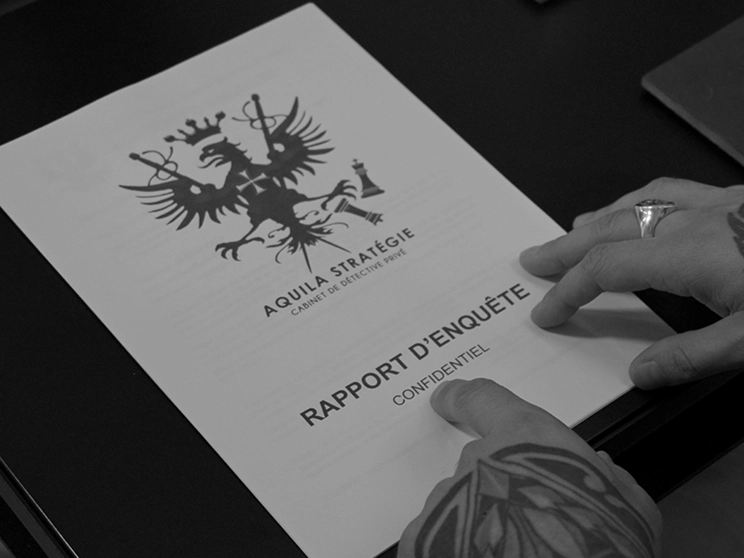
Delivery within two weeks at most, along with a detailed report admissible in court, including photographic, video, and documentary evidence.
Our five-step investigative methodology provides a rigorous framework for cases involving litigation.
Why entrust your case
body at Groupe Aquila
The Insurance Investigation Division is headed by Victor de Villeblanche, a detective since 2012 and a lawyer by training. He personally drafts each report. Procedural rigor and a thorough understanding of the legal framework are crucial in these types of cases, where even the slightest procedural irregularity can result in the exclusion of evidence.
Our firm is AFNOR pre-certified and an ALFA affiliate. It operates through an integrated national network covering five regions without relying on subcontractors—a key advantage for ensuring confidentiality and consistent service quality.
The professionals assigned to physical evidence cases are specifically trained in covert observation techniques, the legal framework governing video recording in public spaces, and the preparation of reports that can be directly used in litigation. This specialization provides an additional assurance for the manager who engages the firm.
- A rigorous approach to procedure that is particularly well-suited to high-stakes litigation cases.
- AFNOR pre-certification, ALFA membership, CNAPS accreditation.
- Enhanced confidentiality — no outsourcing; all personnel are employees or partners.
- A report written personally by the division director, to be submitted within two weeks at the latest.
- Speakers trained in the legal framework for video recording and evidentiary writing.
Private investigation activities are strictly regulated by the Internal Security Code and overseen by the CNAPS.
To submit a personal injury case to the firm, please use our form for case managers.
no obligation
Request your free quote
Frequently Asked Questions
All on-site verification assignments requested by a company in connection with a personal injury claim: observations of the claimant’s activities, verification of the consistency of the information provided, investigation into any secondary employment, and cross-checking of facts against the information submitted to the claims administrator.
Internal Security Code and case law on the admissibility of evidence. All of our investigations are conducted in public spaces, without entering private premises or engaging in unauthorized recording. It is this rigor that makes the report usable.
No, unless otherwise instructed by the client company. Discretion is inherent to the nature of the assignment: informing the insured would render the observation devoid of any probative value.
A maximum of two weeks between the submission of the complete file and the delivery of the report. For cases requiring observations over an extended period, a specific timeline is agreed upon at the start of the review.
Yes, subject to the requirements of fair presentation of evidence. Our reports are drafted to withstand production in civil and labor courts. Video and photographic evidence is always included with the report.
Check out all our insurance claims sections





Be sure to check out our section on TSCM detection – Electronic dust removal for the detection of bugs and cameras, as well as ourOSINT digital investigation.